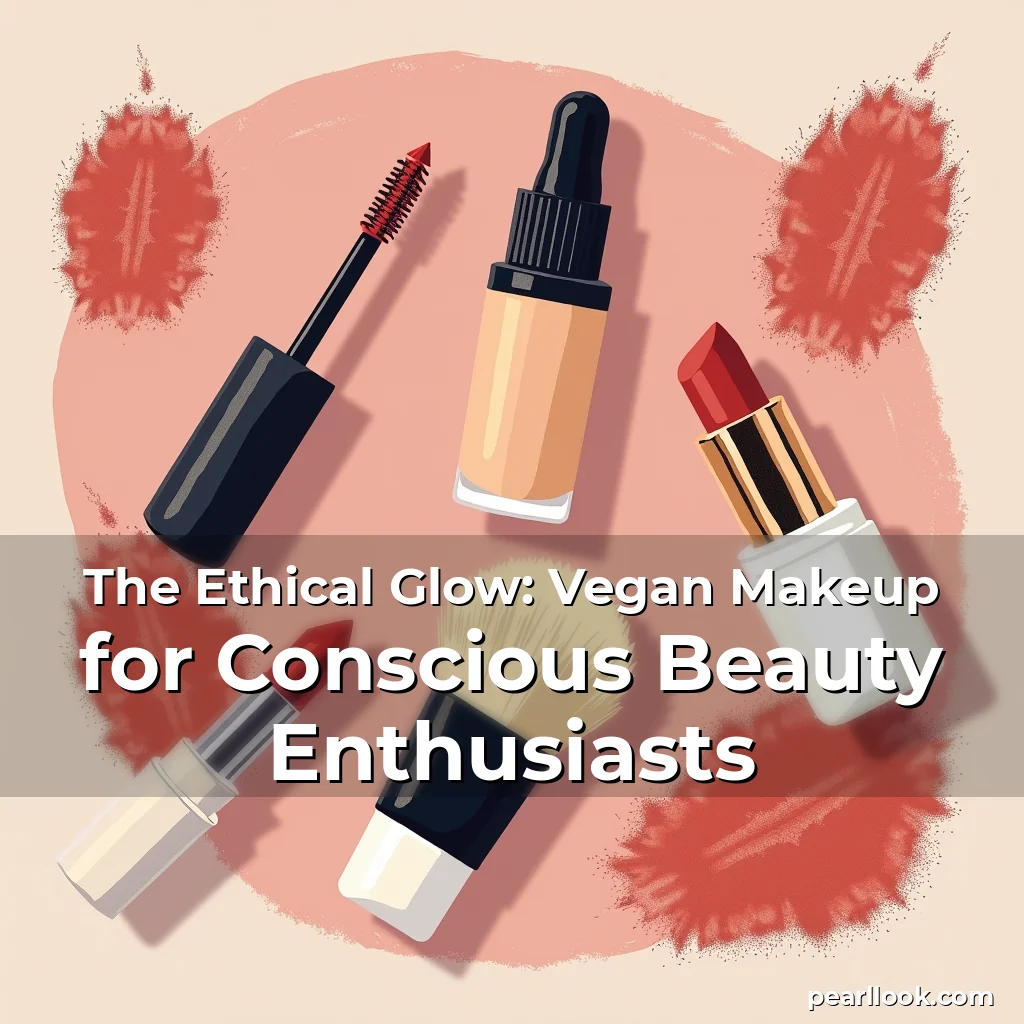
The Ethical Glow: Vegan Makeup for Conscious Beauty Enthusiasts
Vegan makeup isn’t just a trend—it’s a movement reshaping the beauty industry. As consumers become increasingly aware of ingredient sources and production practices, demand for cruelty-free, plant-based alternatives has surged. Whether you’re drawn to animal welfare, sustainability, or personal health, vegan makeup offers a radiant solution aligned with modern values.
This guide delves beyond surface-level discussions, exploring everything from certified vegan brands to the science behind clean formulations. Discover how choosing vegan products supports ethical labor practices, reduces carbon footprints, and promotes holistic wellness—all while achieving flawless finishes worthy of any occasion.
Understanding Vegan Makeup: What Makes It Different?
Vegan makeup refers to cosmetic products free from animal-derived ingredients and tested without harming animals. Unlike “cruelty-free” products—which may still contain animal byproducts—true vegan formulas exclude substances like beeswax, lanolin, collagen, and carmine. These exclusions align with ethical standards prioritizing compassion toward animals and ecosystems.
Certification plays a critical role in verifying authenticity. Labels such as Leaping Bunny, PETA’s Cruelty-Free Logo, and Vegan Society certification ensure transparency. However, self-declared claims lack third-party oversight, prompting savvy shoppers to research brand policies thoroughly before purchasing.
- No animal exploitation: Vegan makeup avoids using materials sourced from live or dead animals, including fish scales, silk, and shellac.
- Eco-conscious packaging: Many brands prioritize recyclable containers, biodegradable materials, or refill systems to minimize waste.
- Healthier alternatives: Plant-based ingredients often replace synthetic additives linked to allergies or long-term toxicity risks.
While some critics argue vegan makeup lacks performance, advancements in formulation technology now deliver high-quality pigments, hydrating agents, and textures rivaling conventional products. Innovations in color theory, texture engineering, and natural preservatives have made vegan cosmetics a viable option for even the most discerning users.
A growing number of dermatologists endorse vegan skincare foundations, noting reduced irritation potential due to fewer harsh chemicals. This shift underscores a broader cultural move toward inclusivity, empowering individuals with sensitive skin or ethical preferences to find suitable options.
Why Choose Vegan Makeup? A Multifaceted Perspective
Selecting vegan makeup transcends personal preference—it becomes a statement of principle. Advocates highlight three primary motivations: animal rights advocacy, environmental stewardship, and personal health. Together, these factors create a compelling case for transitioning to vegan-friendly products.
Animal agriculture contributes significantly to greenhouse gas emissions, deforestation, and water pollution. By opting for plant-based cosmetics, consumers indirectly reduce reliance on industries tied to these issues. Additionally, many vegan brands adopt zero-waste initiatives, further amplifying eco-benefits.
The Ripple Effect of Consumer Choices
Every purchase influences corporate behavior. When shoppers prioritize vegan products, they incentivize manufacturers to innovate sustainably. Studies show increased sales of cruelty-free items correlate with higher investments in green chemistry and fair trade partnerships globally.
For example, companies like Lush and Kat Von D Beauty have expanded their vegan ranges in response to consumer pressure. Their success demonstrates market viability for ethically produced goods, proving profitability and purpose aren’t mutually exclusive.
Moreover, ethical sourcing extends beyond ingredients. Certified B Corporations in the beauty sector adhere to strict social responsibility guidelines, ensuring safe working conditions and equitable pay for workers in developing countries.
These interconnected impacts illustrate how individual decisions ripple outward, fostering systemic change in supply chains worldwide. Choosing vegan makeup thus becomes part of a larger commitment to global equity and planetary health.
Navigating Ingredient Lists: What to Look For
Deciphering cosmetic labels requires attention to detail. While terms like “natural,” “organic,” or “eco-friendly” appear frequently, they lack standardized definitions. To confirm a product is truly vegan, cross-check certifications against databases maintained by watchdog organizations.
Focus on red flags indicating non-vegan components. Carmine—a crimson pigment derived from crushed beetles—is commonly found in lipsticks, blushes, and eyeshadows. Similarly, honey, royal jelly, and snail mucin often mask themselves as exotic “superfoods” despite animal origins.
- Beetle-derived dyes: Always check for FD&C Red #7 or cochineal extract in vibrant shades.
- Silk proteins: May appear as sericin or fibroin in moisturizers or primers labeled “silky.”
- Collagen boosters: Often sourced from bovine or marine life, unless explicitly stated as algae-based.
To streamline verification, download apps like Think Dirty or Code Check, which scan barcodes and flag questionable ingredients instantly. These tools empower buyers to avoid unintentionally supporting exploitative practices.
Remember that some synthetic compounds mimic animal derivatives chemically. For instance, lab-grown keratin replicates sheep wool properties without animal involvement. Such innovations demonstrate how science enables ethical progress without compromising quality.
Top Vegan Brands Shaping the Industry
The rise of vegan makeup has birthed numerous trailblazing brands redefining beauty norms. From indie startups to legacy corporations, these names exemplify excellence in ethical innovation and artistic craftsmanship.
Kosas, Fenty Beauty, and Pacifica stand out for their inclusive shade ranges and commitment to cruelty-free practices. Meanwhile, niche pioneers like ILIA and Jones Road combine minimalist design with potent botanical actives. Exploring these brands reveals diverse approaches to sustainable luxury.
Diversity Within the Movement
Vegan makeup spans price points and aesthetics, catering to varied budgets and tastes. Affordable options include NYX Professional Makeup’s Tarte collection, while high-end selections feature Guerlain’s Le Vernis nail lacquers or Charlotte Tilbury’s Flower Bomb fragrance.
Inclusivity remains central to many vegan brands’ missions. Fenty Beauty’s Pro Filt’r Foundation, for instance, boasts over 40 shades addressing undertones and skin tones previously overlooked in mainstream markets. This emphasis on representation reflects broader societal shifts toward intersectionality in activism.
Some companies go further by incorporating social causes. Purpose Cosmetics partners with nonprofits tackling homelessness, donating proceeds from each sale. This model illustrates how business models can harmonize profit with purpose seamlessly.
As demand grows, expect continued diversification in offerings—from gender-neutral palettes to adaptive products for visually impaired users. The future promises even greater accessibility and customization in vegan cosmetics.
Performance vs. Principles: Does Vegan Makeup Deliver?
Skeptics often question whether vegan makeup matches conventional counterparts in efficacy. Yet scientific studies suggest otherwise. Research published in the *Journal of Cosmetic Dermatology* found no significant difference in wear time, coverage, or comfort levels between vegan and non-vegan foundations.
Advanced polymers and mineral pigments enable superior adhesion without relying on animal-based binders. Formulations rich in hyaluronic acid, shea butter, or vitamin E provide hydration comparable to traditionally derived moisturizers, debunking myths about inferiority.
Mattifying powders containing kaolin clay or rice starch effectively control oiliness without comedogenic oils typically found in petroleum-based products. Even waterproof mascara alternatives utilize seaweed extracts instead of synthetic resins, offering reliable hold without eye strain concerns.
Chef’s kiss moments abound among professionals who praise vegan mascaras for their smudge-proof finish and volumizing prowess. Meanwhile, cream shadows infused with mica particles achieve intense vibrancy without requiring excessive layers—an asset during busy mornings.
Beyond aesthetics, users report fewer allergic reactions when switching to vegan products. Eliminating known irritants like formaldehyde-releasing preservatives or parabens creates safer environments for sensitive skin types.
DIY Vegan Makeup: Crafting Your Own Rituals
For those craving full control over ingredients, homemade vegan makeup opens creative possibilities. Simple recipes utilizing kitchen staples allow experimentation while minimizing exposure to industrial chemicals.
A basic concealer blend combines arrowroot powder, coconut oil, and turmeric for brightening effects. Lip balms gain nourishing qualities from shea butter mixed with essential oils like peppermint or lavender. These projects foster mindfulness around material sourcing and usage.
- Lip tints: Crushed berries or beet juice diluted with jojoba oil produce natural hues without artificial dyes.
- Facial masks: Activated charcoal combined with bentonite clay detoxifies pores safely, avoiding harsh sulfates.
- Eye shadow bases: Cornstarch blended with mica minerals creates customizable, non-toxic glitters.
However, DIY limitations exist. Complex procedures like emulsification require precise temperature controls, posing risks for inexperienced practitioners. Stabilizing mixtures without preservatives also demands careful storage to prevent bacterial growth.
Professional-grade tools remain advisable for intricate tasks such as brow shaping or eyeliner application. Investing in reusable applicators alongside home-made concoctions balances creativity with practicality.
Ultimately, crafting vegan makeup becomes a meditative practice connecting users to nature’s bounty. It transforms daily routines into acts of intentional living rooted in ecological awareness and self-expression.
The Future of Vegan Makeup: Innovation and Inclusion
Emerging technologies promise groundbreaking developments in vegan cosmetics. Lab-grown bioplastics now serve as eco-alternatives to fossil fuel-derived packaging materials. Researchers explore algal pigments capable of replacing synthetic dyes entirely, reducing reliance on petrochemicals.
Augmented reality experiences let customers test virtual looks before buying, cutting down return rates and associated waste. AI-driven formulation software analyzes user data to recommend personalized blends optimized for skin type and lifestyle factors.
Inclusive marketing campaigns spotlight diverse faces and bodies, challenging narrow beauty ideals perpetuated by traditional media. Campaigns featuring trans individuals, elderly women, and people with disabilities redefine who gets to define beauty standards.
Meanwhile, regulatory changes loom on the horizon. The EU’s upcoming ban on microplastics in cosmetics signals stricter oversight of harmful substances. Similar legislation likely follows in other regions, pushing brands toward cleaner formulations universally.
As climate crises intensify, circular economy principles will dominate future strategies. Rental programs for premium products, upcycling old bottles into new packaging, and compostable wrappers represent next steps in sustainable evolution.
Conclusion: Embracing Ethical Radiance
Vegan makeup represents far more than aesthetic choices—it embodies conscious living choices affecting millions of lives. From supporting ethical treatment of animals to embracing environmentally responsible habits, each decision ripples outward positively.
By educating yourself about ingredient origins, supporting transparent brands, and experimenting with alternative solutions, you contribute meaningfully to a kinder world. Remember: true beauty lies not merely in appearance, but in the intention behind our actions and their collective impact.