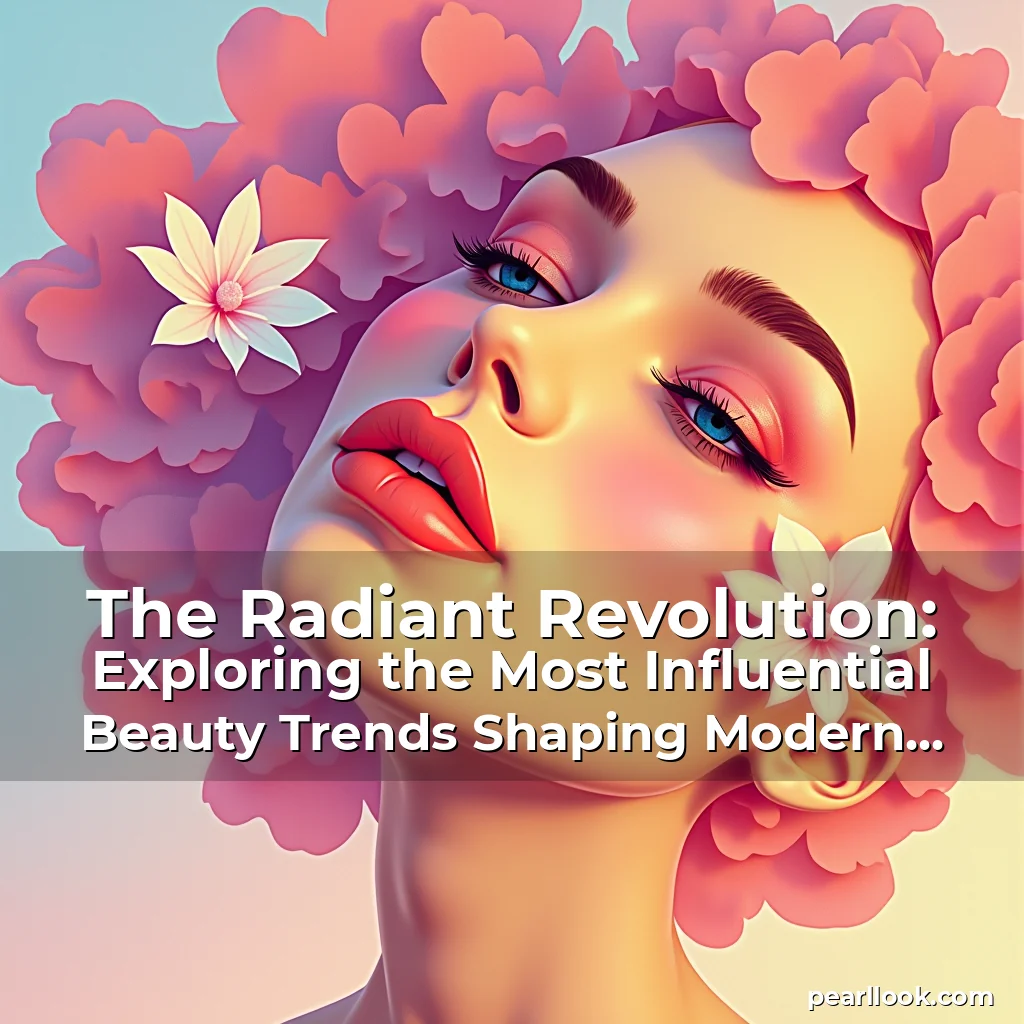
The Radiant Revolution: Exploring the Most Influential Beauty Trends Shaping Modern Aesthetics
In an era where self-expression through appearance is both art and science, beauty trends are evolving at an unprecedented pace. The year 2024 marks a turning point as global communities embrace a harmonious blend of innovation and tradition, crafting looks that celebrate individuality while honoring timeless elegance.
This article delves deep into the most captivating beauty movements redefining personal style today. From skin care breakthroughs to avant-garde makeup techniques, we uncover how these transformations reflect our collective desire for authenticity and empowerment through appearance.
The Resurgence of Natural Skin Care Rituals
A growing movement emphasizes the importance of nurturing skin from within rather than relying solely on topical treatments. This shift reflects a broader cultural appreciation for holistic wellness practices that prioritize long-term health over quick fixes.
Educated consumers now seek out ingredients rich in antioxidants and probiotics, recognizing their role in maintaining healthy, radiant complexions. Brands offering clean formulations have seen significant growth due to increased awareness about harmful chemicals in conventional products.
Trendsetters advocate for minimal product layering, focusing instead on quality over quantity. This approach aligns with the increasing popularity of minimalist routines that emphasize hydration, protection, and gentle exfoliation without compromising effectiveness.
Experts warn against overuse of active ingredients such as retinol and AHAs which can disrupt natural skin barriers when used excessively. Proper education remains crucial for individuals navigating this new landscape of skincare options.
- Multifunctional Products: Consumers prefer items that serve dual purposes, reducing clutter while maximizing benefits. Serums containing SPF or moisturizers with anti-aging properties exemplify this trend.
- Sustainable Packaging: Environmentally conscious buyers favor brands utilizing recyclable materials and eco-friendly production methods. This preference drives industry-wide changes toward greener manufacturing processes.
Redefining Makeup Through Textured Application Techniques
Beauty professionals are pioneering novel ways to apply cosmetics using unconventional tools and methods. These innovations create dimensionality and depth previously unattainable with traditional application approaches.
Texture-based makeup looks feature strategically placed bumps, ridges, and patterns across facial surfaces. This technique adds visual interest by manipulating light reflection differently depending on angle and intensity.
Artists experiment with various mediums including crushed minerals, fine powders, and even edible substances to achieve unique textural effects. Such experimentation pushes boundaries between artistic expression and everyday grooming rituals.
While initially considered niche, textured makeup has gained mainstream acceptance thanks to social media platforms showcasing creative interpretations from diverse backgrounds worldwide.
The Science Behind Texture Manipulation
Research indicates that surface irregularities alter how light interacts with skin, creating optical illusions that enhance perceived volume or smoothness based on viewer perspective. This principle underlies many contemporary makeup strategies aimed at achieving flawless appearances naturally.
Dermatologists caution that excessive manipulation may irritate sensitive skin types. Balancing aesthetic goals with dermatological safety becomes essential when exploring experimental techniques.
Eco-Conscious Fashion Meets Personal Grooming
The fashion industry’s commitment to sustainability extends beyond clothing lines into personal care domains. Innovations in biodegradable packaging and plant-derived formulas signal a profound transformation in consumer expectations regarding environmental responsibility.
Consumers increasingly demand transparency about sourcing practices, ingredient origins, and ethical labor standards associated with their favorite beauty products. Companies failing to meet these expectations risk losing market share rapidly.
Pioneering brands incorporate upcycled components into their offerings, demonstrating creativity alongside ecological consciousness. For example, some foundations utilize recycled glass containers infused with mineral pigments derived from responsibly harvested sources.
Emerging technologies enable precise measurement systems ensuring optimal usage amounts, minimizing waste while maintaining high performance levels. Smart applicators equipped with sensors provide real-time feedback about application consistency and coverage uniformity.
The Rise of Digital Augmentation in Real Life
Augmented reality applications now seamlessly integrate virtual enhancements into physical environments, revolutionizing how people interact with beauty technology daily. These digital overlays offer instant previews before committing to permanent alterations.
Mobile apps allow users to try different hairstyles, eyeshadow palettes, or lip colors virtually using advanced AI algorithms trained on vast datasets of human features and preferences. This capability empowers informed decision-making prior to actual purchases.
Some cosmetic companies collaborate closely with AR developers to ensure accurate color representation across various lighting conditions and skin tones. This partnership enhances user experience by reducing discrepancies between online visuals and final results.
Despite its advantages, critics argue that reliance on digital augmentation might diminish appreciation for organic aesthetics. However proponents believe it fosters greater confidence by enabling exploration without immediate financial investment.
Gender Fluidity Embracing All-Inclusive Standards
The beauty sector undergoes continuous evolution towards inclusivity, challenging outdated norms surrounding gender-specific products and services. This paradigm shift promotes accessibility and representation for individuals regardless of biological sex or preferred identity expressions.
Cosmetic manufacturers expand shade ranges dramatically to accommodate diverse skin tones globally. Some brands introduce universal foundation formulas adaptable to various undertones through customizable adjustments post-purchase.
Makeup artists receive specialized training emphasizing versatility applicable to any client demographic. This expertise enables creation of looks suitable for men, women, non-binary individuals, and those identifying outside binary categories comfortably.
Marketing campaigns increasingly feature models representing wide spectrum identities, reinforcing messages of acceptance and celebration of diversity through authentic storytelling narratives.
The Fusion of Ancient Wisdom With Contemporary Innovation
Traditional beauty remedies rooted in centuries-old traditions gain renewed attention amidst modern scientific validation efforts. Ayurvedic principles, Chinese herbalism, and Indigenous healing practices inform current product development initiatives seeking balance between heritage knowledge and cutting-edge research.
Laboratories analyze age-old recipes to isolate effective compounds beneficial for specific concerns such as acne treatment, wrinkle reduction, or hair restoration. This cross-disciplinary approach bridges ancient methodologies with empirical evidence supporting efficacy claims.
Consumers show heightened curiosity about culturally relevant solutions addressing localized needs effectively. Demand grows for region-specific ingredients known traditionally for particular therapeutic properties verified scientifically today.
Collaborative ventures between ethnobotanists and chemists yield innovative formulations merging time-tested wisdom with state-of-the-art delivery mechanisms enhancing bioavailability significantly compared to conventional alternatives.
Interactive Experiences Redefining Retail Engagement
Beauty retailers transform static shopping experiences into dynamic interactions leveraging immersive technologies. Virtual try-on kiosks and interactive displays engage customers actively during browsing sessions fostering deeper connections with brand values propositioned.
Haptic feedback devices simulate tactile sensations allowing shoppers to feel textures remotely similar to physical touch yet digitized accurately enough for meaningful comparisons. This advancement facilitates confident purchasing decisions made conveniently from home settings.
Data analytics track customer behavior patterns revealing emerging preferences informing inventory management strategies proactively adjusting stock levels according to shifting demands efficiently avoiding excess surplus situations frequently encountered historically.
Personalization engines generate tailored recommendations based on past interactions predicting future interests thereby optimizing discovery journeys making each encounter uniquely memorable reinforcing loyalty commitments organically cultivated over time.
Conclusion
The ongoing metamorphosis within beauty culture demonstrates remarkable adaptability reflecting societal progress values continuously being refined through shared experiences and technological advancements shaping tomorrow’s paradigms today.
By embracing these transformative trends thoughtfully, individuals cultivate empowered relationships with their appearances celebrating uniqueness while contributing positively toward sustainable futures benefiting generations ahead.